Choosing a home design is exciting, but for many buyers, the floor plan is where things start to feel overwhelming. Two homes might have the same number of bedrooms and bathrooms, yet one will feel calm and functional while the other feels cramped or awkward.
The difference comes down to how the layout supports everyday life.
A great floor plan is not just about how a home looks on paper. It is about how it works for your family, your routines and the way you want to live, both now and in the years ahead.
Start with how your family actually lives
When comparing layouts, the first step is to take a step back from the brochure and think about real life. Where do you spend most of your time? How do you move through the home each day? What parts of your routine need more space, more storage or more flexibility?
As Joel, Marella’s Construction Manager, explains:
“Think about how you actually live day to day. Where do you spend most of your time? Do you need visibility of the kids? Is storage a priority? It’s easy to be swayed by a display home, but functionality matters more than size or aesthetics if you want the home to work long term.”
For young families, this might mean open living zones that keep everyone connected. For others, it might mean having a quiet retreat, a study space or a master suite that feels separate from the rest of the home.
Explore our house and land packages.
The biggest mistakes buyers make when selecting a floor plan
One of the most common mistakes buyers make is choosing a layout based on what looks impressive rather than what will feel practical day to day. It is easy to be drawn to big rooms, feature walls or display styling, but those things do not always translate into a home that functions well.
- Some of the biggest floor plan mistakes include:
- Choosing a design without considering furniture placement
- Prioritising extra rooms over usable living space
- Underestimating the need for storage and linen space
- Forgetting how the home will feel during busy mornings
- Not planning for future needs like working from home or a growing family
A smart layout makes daily life smoother. The best floor plans often feel simple, not complicated. They make it easy to move from the kitchen to the dining area, to the living room and outdoors, without awkward corners or wasted space.
Open plan living with privacy where it matters
Open plan living is popular for a reason. It creates connection, improves natural light and makes homes feel more spacious. However, open spaces work best when there is still a sense of balance and zoning.
A strong floor plan should allow families to spend time together, without feeling like everyone is on top of each other. That means thinking about:
- Where the bedrooms are positioned in relation to the living areas
- Whether there is separation between the master suite and secondary bedrooms
- How noise will travel through the home
- If there is a flexible room that can become a study, guest room or retreat
Privacy does not need to mean closed off spaces. It can be achieved through thoughtful placement, smart hallways and layout decisions that give people room to breathe.
What makes a home feel bigger on a compact block?
A compact block does not mean you have to compromise on comfort. Some of the most liveable homes are not the largest. They are simply planned well.
- Features that often make a home feel larger include:
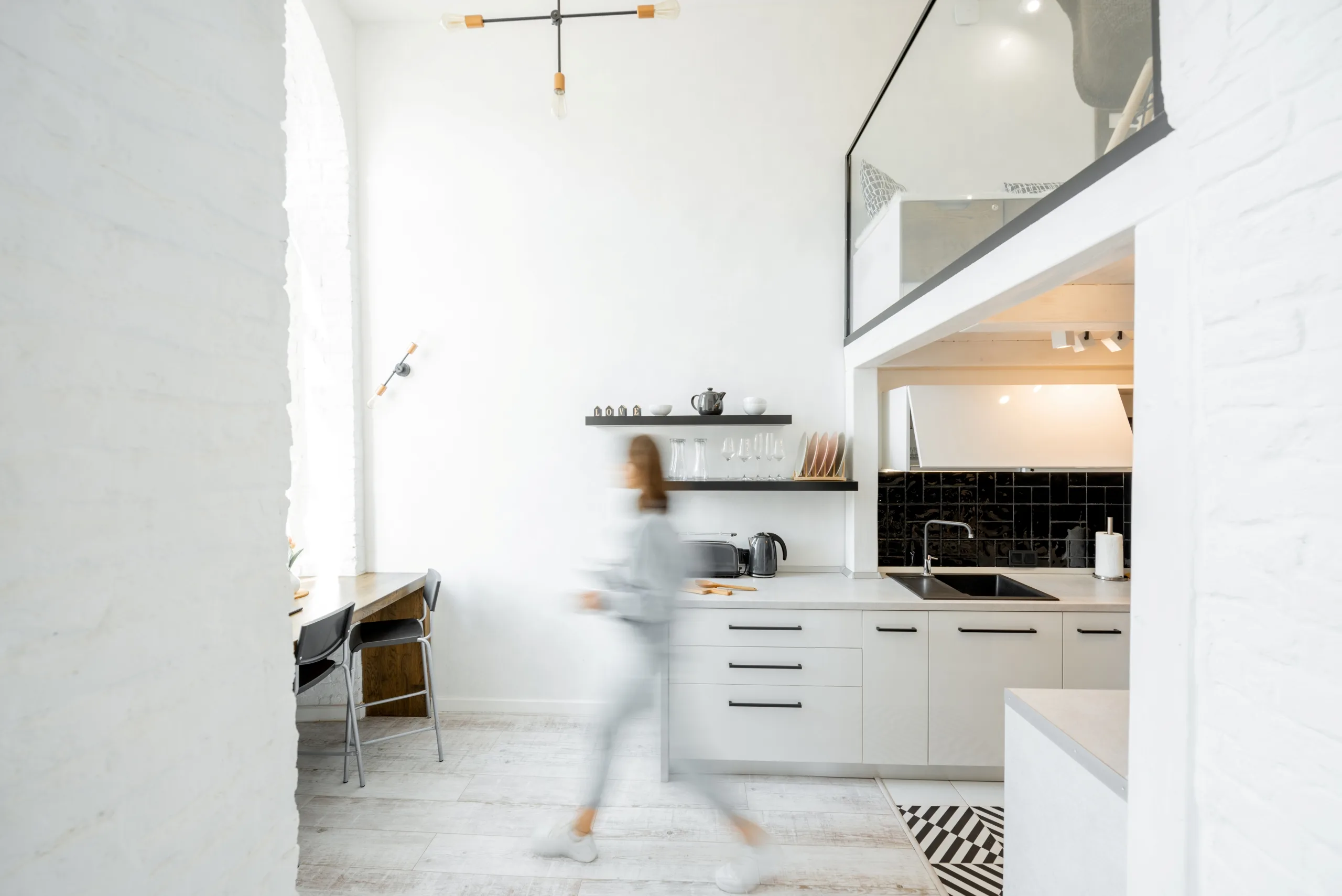
- Clear sightlines from the kitchen through to living and dining
- Strong indoor outdoor flow to an alfresco area
- Natural light through well placed windows
- Storage that reduces clutter and keeps spaces calm
- Practical circulation with fewer tight corners or narrow walkways
Even small design choices, like where the kitchen is positioned or how the living space connects to the backyard, can make a big difference to how spacious a home feels.
Why orientation and slope matter more than most buyers realise
Floor plans are not one size fits all.
A layout that works beautifully on one block might feel completely different on another depending on sunlight, slope and site conditions.
That is why it is important to consider orientation early. The way the sun moves across the block can affect natural light, ventilation and comfort throughout the year. Slope can also influence drainage, access and how the home sits on the land.
As Joel explains:
“The way the sun moves across your block affects natural light, ventilation and energy efficiency, so a good floor plan should make the most of that. Slope matters too, because it can impact drainage, access and even how the home sits on the site. The best results come when the design works with the land, not against it.”
When buyers choose a design that suits the block, they often end up with a home that feels brighter, more comfortable and more practical long term.
How Marella designs for different families and life stages
Every family looks different, and needs change over time.
That is why Marella focuses on designs that support everyday living across a range of life stages, whether you are buying your first home, growing your family or investing in a property built for long term appeal.
Marella floor plans are designed with:
- Practical layouts that make daily routines easier
- Living spaces that feel open and connected
- Bedroom zones that support rest and privacy
- Smart storage that keeps homes functional
- Efficient use of space so every square metre works harder
It is about creating homes that feel calm, comfortable and genuinely liveable from the moment you move in.
Ready to take the first step toward your new home?
Choosing the right floor plan is one of the most important decisions in the building journey. The best layout is not always the biggest or the most impressive. It is the one that supports how your family lives every day, fits your block and continues to work well as life evolves.
Explore our home designs and floor plans here, or talk to our expert team for personalised advice and guidance here.